What it is
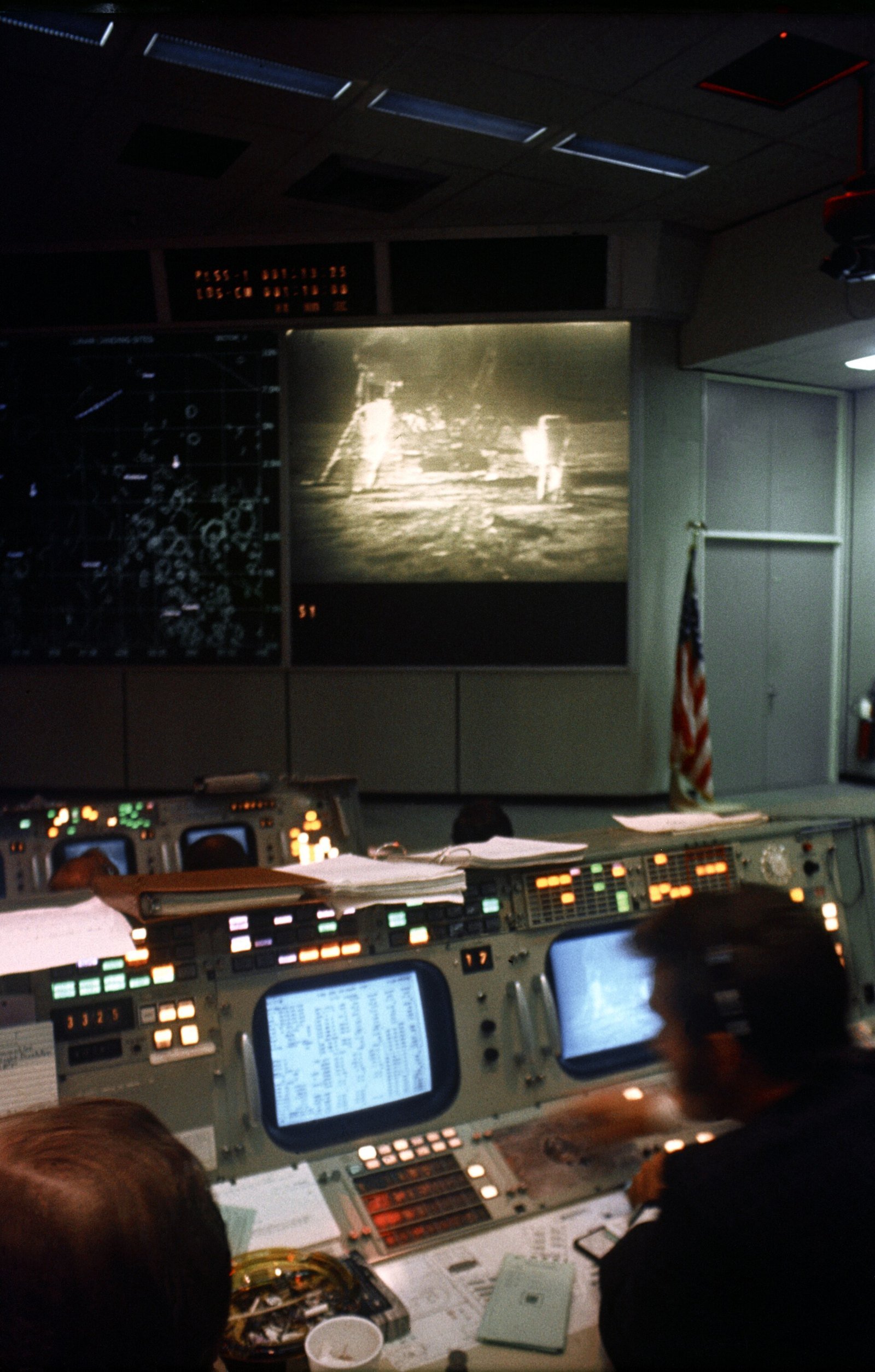
The Apollo program produced a mountain of sound and video. Every word between the crews and Houston was taped, plus dozens of backroom channels where engineers talked among themselves. Most of it survives. Some of it does not.
That gap is where this theory lives. The original high-quality tapes of the Apollo 11 moonwalk are gone. One crew heard eerie "music" behind the Moon. And for more than 50 years, stories have circulated about a secret radio channel where astronauts reported things NASA did not want us to hear.
Then, in 2026, the U.S. government opened a public UFO archive. It included real Apollo audio. Believers said the door had finally cracked open. Skeptics said the files mostly confirmed the old, boring answers.
The ancient-alien case
Start with the tapes. NASA admits it erased the best recordings of the most important event in human history. Theorists ask a fair question: how does an agency that saves everything lose that? To them, "we needed the tape for something else" sounds like a cover story.
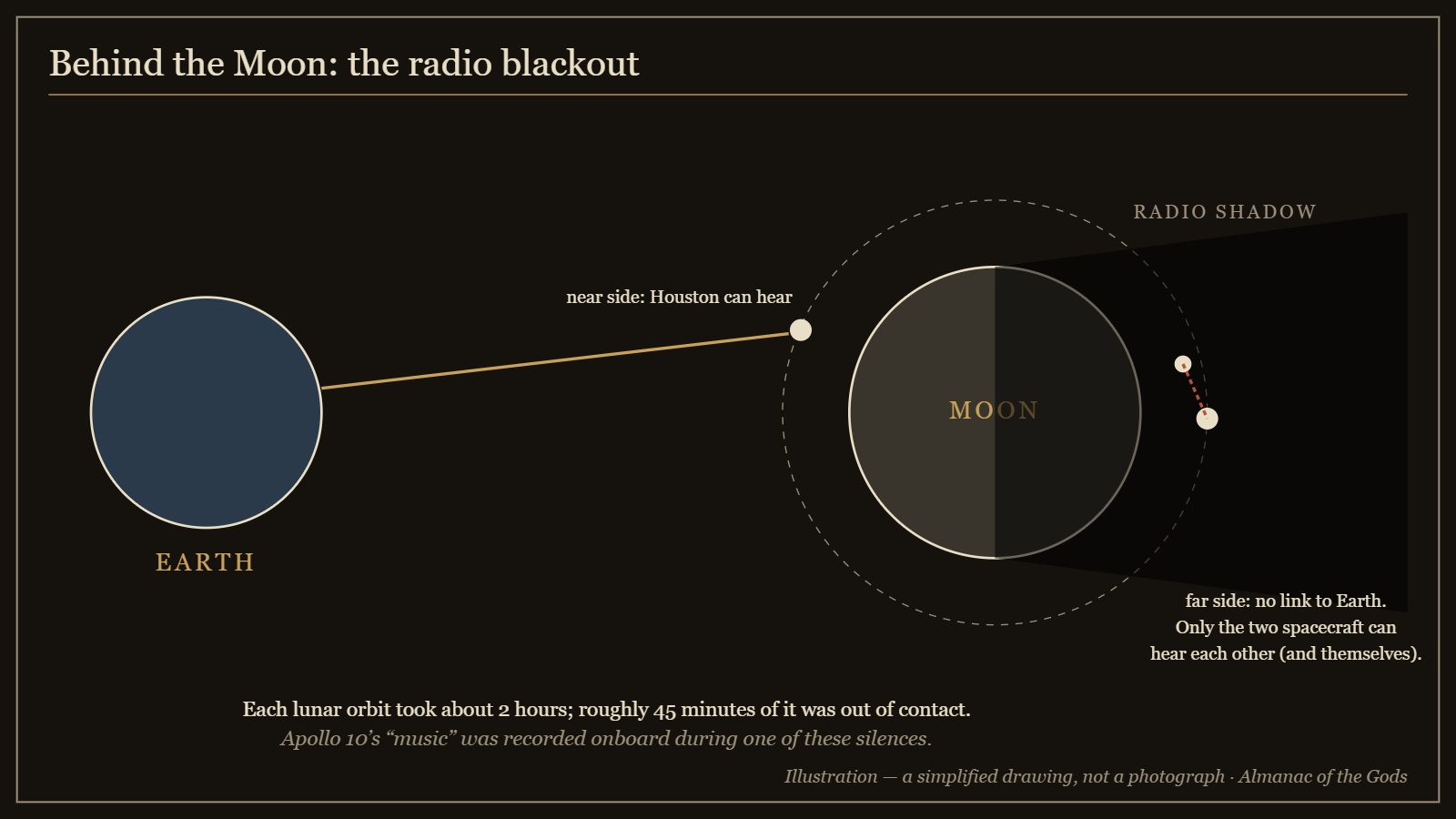
Next comes the Apollo 10 music. In May 1969, while flying behind the Moon and out of contact with Earth, the crew heard a strange whistling sound. Gene Cernan said it "even sounds outer-spacey," according to NASA's own onboard transcript. The crew talked about whether to report it. Theorists see a crew afraid of what the truth would cost them.
Then there is the "secret channel." Since 1969, UFO writers have claimed Apollo 11 switched to a private frequency so the public could not hear. In the most famous version, Neil Armstrong reports other spacecraft lined up on a crater edge, watching. Theorists point out that Apollo really did use private channels for some talks, such as medical conferences, so the idea is not crazy on its face.
Buzz Aldrin added fuel. On the way to the Moon, the Apollo 11 crew saw an object pacing their ship. Aldrin later described it in a 2005 TV documentary, and the clip spread as proof that a UFO followed Apollo 11.
Finally, the 2026 government files. They contain Apollo 12 astronauts describing streaks of light, Apollo 17 talk of tumbling bright fragments, an Apollo 17 photo with three dots in the sky, and hours of Apollo 16 debrief audio. For believers, the simple fact that these sit in a UFO archive says a lot.
What scientists say
The tapes were recycled, not hidden. A NASA-led team searched for years. Its 2009 report concluded the 45 backup tapes were wiped and reused, most likely around 1981, during a NASA-wide shortage of one-inch tape. The tapes were a backup. The video itself had already gone out live and was saved in other forms, which is why NASA could restore it in 2009.
The "music" was radio interference. When the lunar module and command module were both flying with their VHF radios on, the two sets interfered with each other. Michael Collins wrote in his 1974 memoir that technicians had warned him about the noise before Apollo 11. He said that without the warning, it would have scared him badly.
The secret-channel transcript is a known fake. Space historian James Oberg traced the "crater edge" dialogue to Sam Pepper, who printed it in the tabloid National Bulletin in September 1969. Science fiction writer Otto Binder spread it further. Oberg points out obvious mistakes, like "three of us" on the surface when only two men walked there. Maurice Chatelain repeated the tale in the 1970s, but he was an aerospace engineer, not a NASA insider with access to secret tapes.
Aldrin's object was almost certainly hardware. Aldrin says the documentary cut his explanation. The crew had asked Houston where their rocket stage was, and it was thousands of miles away. Aldrin has said the best answer is one of the panels that had covered the lunar module, drifting along nearby and catching sunlight.
The 2026 files carry their own explanations. NASA long ago tied the Apollo 12 light streaks to cosmic rays hitting the astronauts' eyes. The Apollo 17 crew themselves suspected ice or paint flakes for the fragments.
The Apollo 10 "space music," in detail
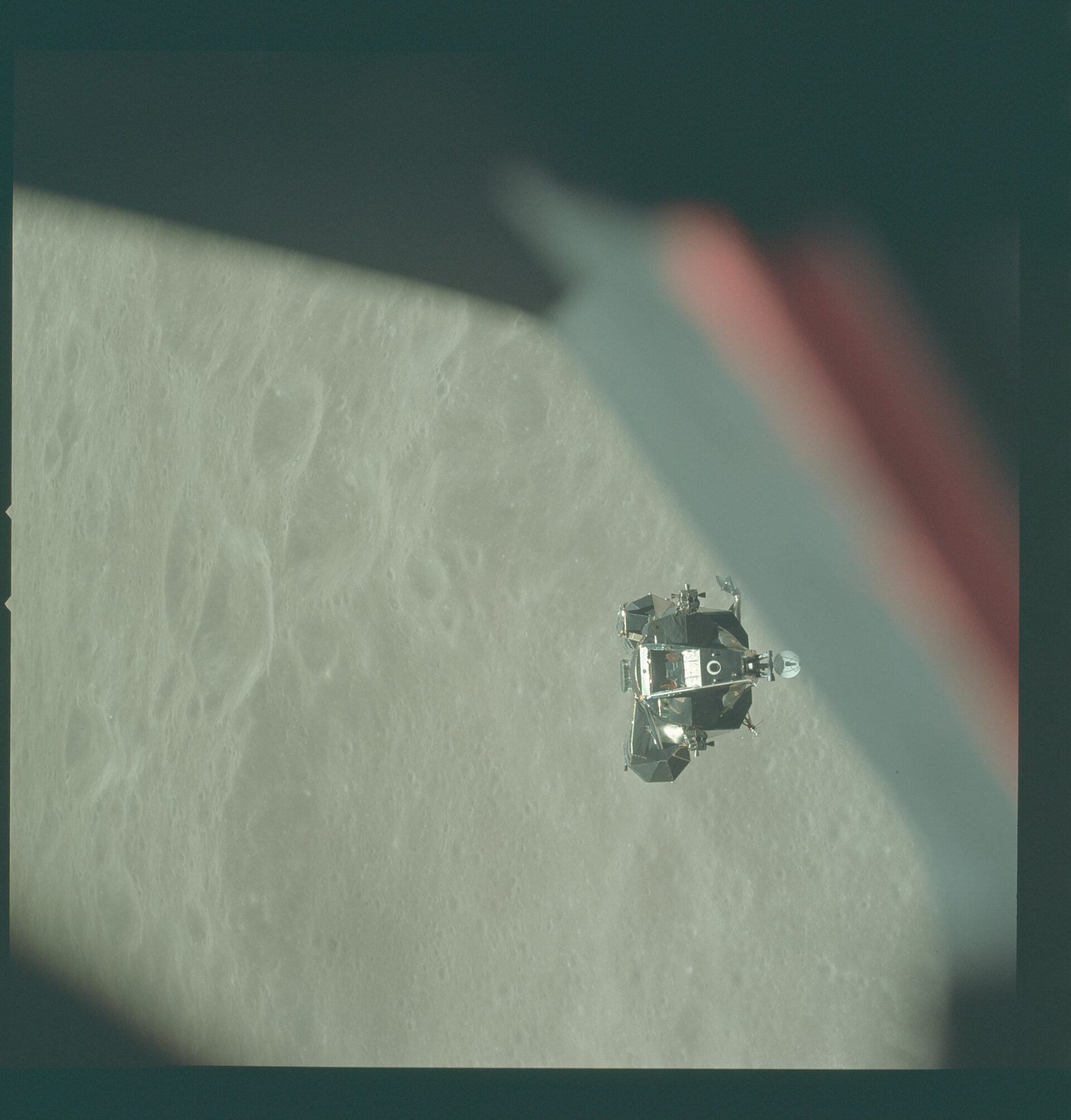
Apollo 10 was the dress rehearsal for the landing. In May 1969, Tom Stafford and Gene Cernan flew the lunar module, nicknamed Snoopy, down to about nine miles above the surface while John Young stayed in the command module.
Each time the ships slid behind the Moon, they lost all radio contact with Earth. The onboard recorder kept running. That is where the strange whistling was captured. The transcript went online in 2008, and the story exploded in February 2016 when the Science Channel's NASA's Unexplained Files featured it. The show mentioned the radio-interference explanation but still framed the sound as a mystery.
Two legends that will not die
"Good luck, Mr. Gorsky." This joke claims Armstrong said the line on the Moon as a payoff to a crude childhood story about a neighbor. It began spreading online in 1995. Armstrong said he first heard it as a gag from comedian Buddy Hackett. It appears nowhere in the mission audio.
"There is a Santa Claus." Chatelain claimed astronauts used "Santa Claus" as code for UFOs. The real line came from Jim Lovell on Apollo 8, on Christmas Day 1968, as the ship came out from behind the Moon. It was a holiday joke. Buzz Aldrin did not say it, and he was not on that flight.
What the 2026 government files actually contain
On May 8, 2026, the Department of War opened PURSUE, a public archive of UAP files from several agencies, including NASA. The first batch included Apollo 17 transcript excerpts about bright fragments near the spacecraft, an Apollo 17 surface photo showing three dots in the sky, and Apollo 12 images with dots above the horizon. News reports also described Apollo 11 debrief notes about a sizeable object and a bright light the crew thought might be a laser.
The May 22 batch added Apollo 12 medical debrief audio, where the crew describes flashes and streaks of light while trying to sleep. The June 12 batch added more than two hours of Apollo 16 debrief audio from 1972. News coverage said it includes a passing joke about an "alien starbase" during a talk about experiment data. Tracker sites list later batches through September 2026, but we have not confirmed their Apollo contents against the official site.
Timeline
- Dec 1968Jim Lovell jokes "there is a Santa Claus" as Apollo 8 leaves the Moon's far side.
- May 1969Apollo 10 crew hears whistling "music" behind the Moon.
- Jul 1969Apollo 11 lands. Ground stations record the raw TV signal on backup tapes.
- Sep 1969A fake "secret" Armstrong transcript appears in the National Bulletin.
- 1974Michael Collins describes the radio "music" warning in his memoir.
- 1976Intern Gary George buys three surplus NASA videotapes for $218.
- c. 1981Apollo 11 backup tapes are wiped and reused during a tape shortage.
- 1995The "Mr. Gorsky" joke starts circulating online.
- 2005Aldrin's object sighting airs in a documentary without his explanation.
- 2009NASA reports the tapes were erased and releases the Lowry Digital restoration.
- 2016The Apollo 10 "music" goes viral after a Science Channel episode.
- 2018About 19,000 hours of Apollo 11 Mission Control audio go public.
- 2019George's broadcast-copy tapes sell for $1.82 million at Sotheby's.
- 2026PURSUE files include Apollo 12, 16 and 17 material.
Still unanswered
- Did any other Apollo telemetry tapes get erased that held data no one has copies of?
- What exactly is in every hour of the newly released Apollo 16 debrief audio? Few people have listened to all of it.
- Will future PURSUE batches add more Apollo material, and will it come with NASA's own analysis?
Did you know?
- The Moon's far side is not dark all the time. It is "dark" only to radio, because the Moon blocks every signal to Earth.
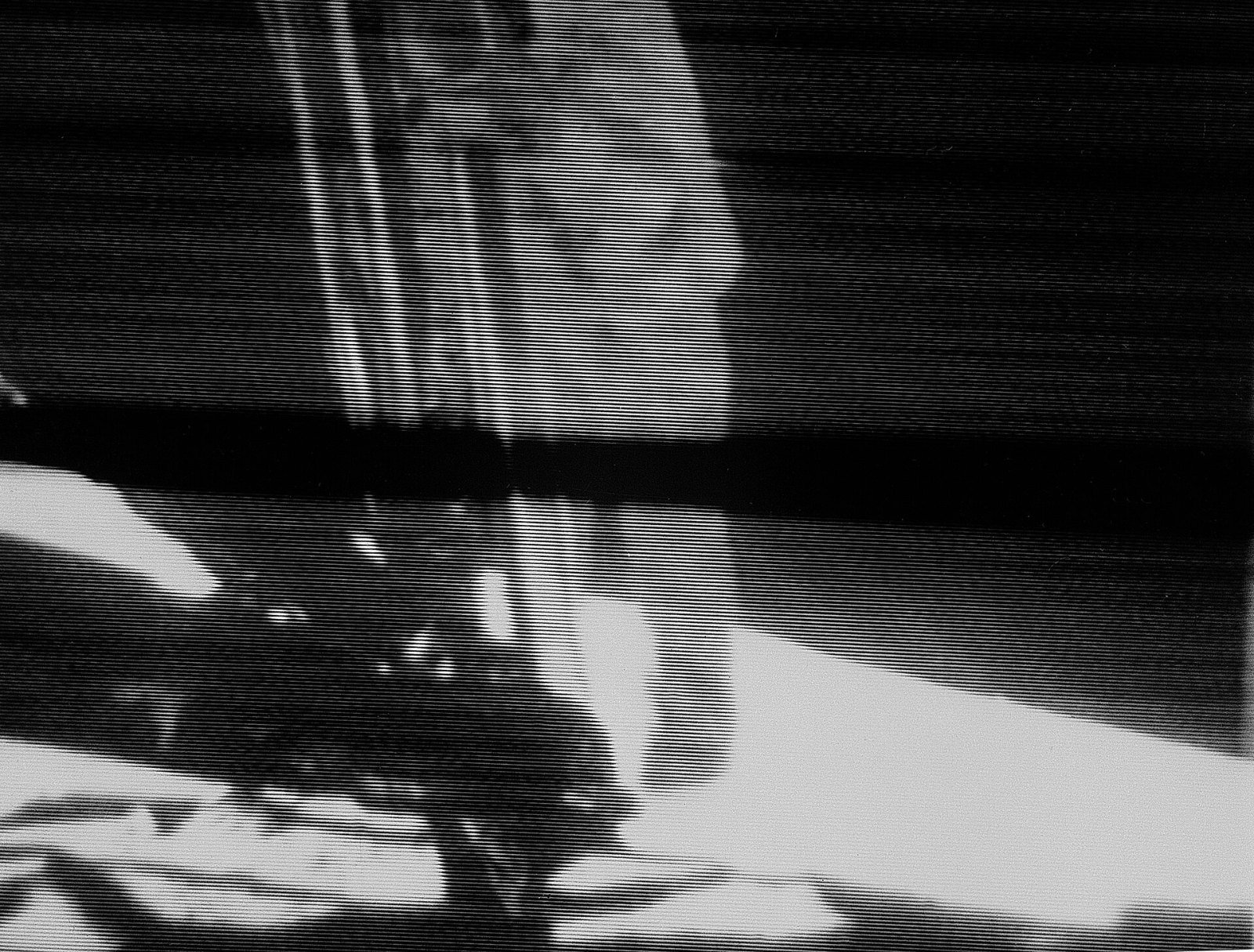
- The Apollo 11 TV camera sent slow-scan video at 10 frames per second. It had to be converted on Earth before networks could air it.
- The 2018 Mission Control audio release would take about two years to play straight through.
On Ancient Aliens
- S04E05The NASA ConnectionExplores theorists' claims linking NASA and the space program to ancient-alien ideas (aired March 9, 2012).
- S11E11Space Station MoonLooks at claims that the Moon itself hides alien activity (aired July 29, 2016).
Episode numbers follow Wikipedia's episode list.
See it yourself
You do not have to take anyone's word for this. NASA's Apollo Flight Journal covers every flight away from the lunar surface, including Apollo 10's far-side passes. The Apollo Lunar Surface Journal covers the moonwalks, line by line. Both are free.
For raw sound, the Explore Apollo site from the University of Texas at Dallas lets you browse the 19,000 hours of Apollo 11 backroom audio. Apollo in Real Time lets you replay Apollo 11, 13 and 17 minute by minute, with Mission Control channels synced to the transcripts. The 2026 government files sit at war.gov/ufo.
Sources
- The Apollo 11 Telemetry Data Recordings: A Final Reportnasa.gov
- Apollo 11 missing tapeswikipedia.org
- NASA Addresses Controversy Over 'Lost Tapes' of Apollo 11 Moonwalkspace.com
- 'Music' Heard by Apollo 10 Astronauts at the Moon Not from Aliensspace.com
- Could there be music on the far side of the moon?csmonitor.com
- Apollo 11 "Pepper" hoax transcript analysis (James Oberg)jamesoberg.com
- Good Luck, Mr. Gorskysnopes.com
- Did Buzz Aldrin see a UFO?moonhoaxdebunked.blogspot.com
- NASA releases 19,000 hours of Apollo 11 audiocollectspace.com
- Trump releases declassified UAP files including Apollo mission photosfoxnews.com
- US Department of War releases never-before-seen UFO files, including from the Apollo missionsiflscience.com
- UFO files: Buzz Aldrin, the Moon and the Apollo 11 crewfortune.com
- Pentagon releases new batch of declassified UFO filesfox5dc.com
- Third batch of UFO files released by Pentagonfox9.com
- NASA UAP audio: particles, fireflies, and light flashesuaplogbook.com
- Apollo Flight Journalnasa.gov
- Apollo Journals (Flight Journal and Lunar Surface Journal)apollojournals.org
- Apollo in Real Timeapolloinrealtime.org
- List of Ancient Aliens episodeswikipedia.org
Research notes: what we checked
- The "Santa Claus" line is often credited to Buzz Aldrin, but it was Jim Lovell on Apollo 8 (Dec 25, 1968). Chatelain later claimed it was UFO code.
- The 19,000-hour Mission Control audio release was July 2018 (UT Dallas, NSF-funded, led by John Hansen). The 2019 event was the Sotheby's tape sale.
- Where the "crater edge" story began: the earliest source we found is Sam Pepper's 1969 National Bulletin piece, which Otto Binder then spread (per James Oberg). Chatelain repeated it in the 1970s. We could not find who first added the specific "two minutes of missing transmission" detail, so we did not present it as a documented claim with a known source.
- Was the Apollo 10 transcript "classified"? Some outlets say it was classified until 2008. Space.com says the material was public long before and simply went online in 2008. We avoided calling it classified.
- The PURSUE dates (May 8, May 22, June 12, 2026) and their Apollo 12, 16 and 17 contents come from news reports; we could not open the official war.gov/ufo listings directly to check file IDs. Tracker sites disagree on which batch held the Apollo 17 photo; we followed Fox News and IFLScience (first batch, May 8).
- The Apollo 16 "alien starbase" remark is from one news report (Fox local stations). We have not heard the audio ourselves.
- The Apollo 11 "sizeable object" and "laser" debrief details in PURSUE come from Fortune's report only.
- A widely shared Apollo 17 line, "Bob, this is Gene, and I've got a strange...," could not be verified in any source we checked. We left it out.
- Ancient Aliens episodes were matched by title and air date on Wikipedia. We could not confirm from Wikipedia that either episode covers Apollo audio specifically; the notes describe them only broadly.
- Chatelain's job: he is often billed as a former NASA communications chief. Skeptics describe him as an engineer at an aerospace contractor. We used the plainer description.